After Helene
After Helene, I asked Asheville Fire how I could help. They needed a different kind of help: someone to document their people and the work they were doing.
The reach
Two posts from the week after Helene, written in the moment, with photographs from the day. These are the numbers each one reached.
1.9M+
Views
6,800+
Shares
14K+
Interactions
0
Frames staged
How I could help
Helene flooded Asheville on September 27. Asheville Fire spent that morning pulling people out of the Swannanoa River as it rose to levels nobody had seen.
Four days later, I called their public information officer, Kelley Klope, and asked how I could help. I offered what most people were offering: food, chainsaw crews and hands to clean their stations. She called back with a different answer. They had the supplies they needed. What would help was someone to document what their people were doing.
That ask came from a relationship that existed long before Helene. We knew each other before the storm, so when it came, I listened to what they needed and showed up with a camera.
I was able to document and share the work of Asheville Fire because I was invited to do so. I had a relationship with them before the disaster.
The river
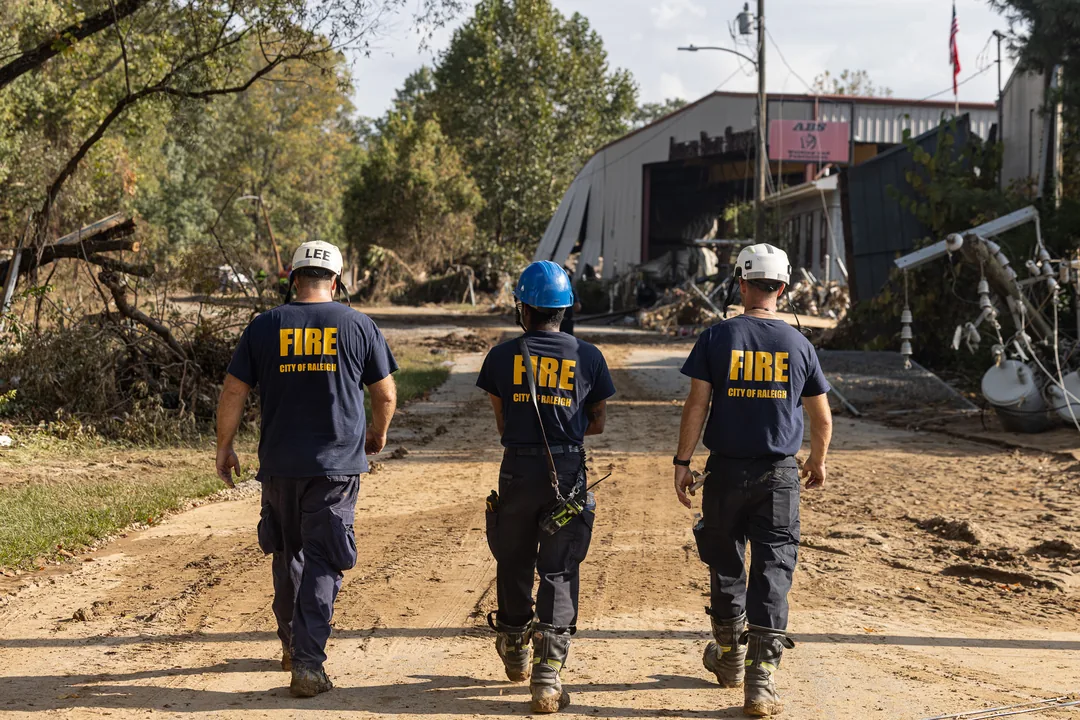
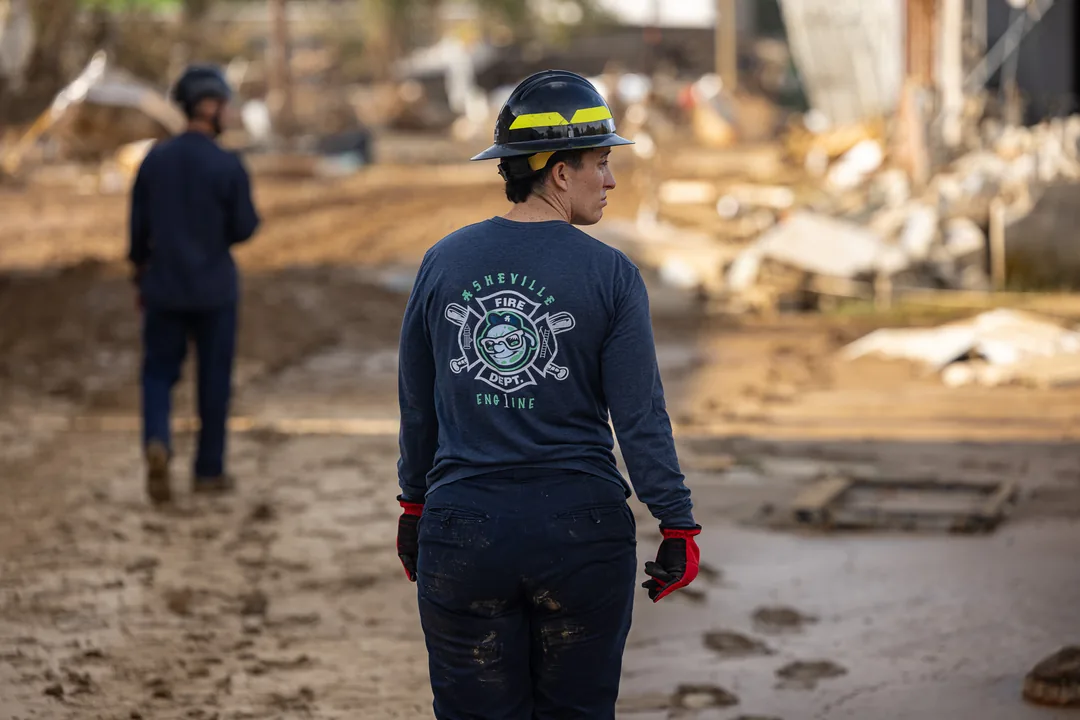
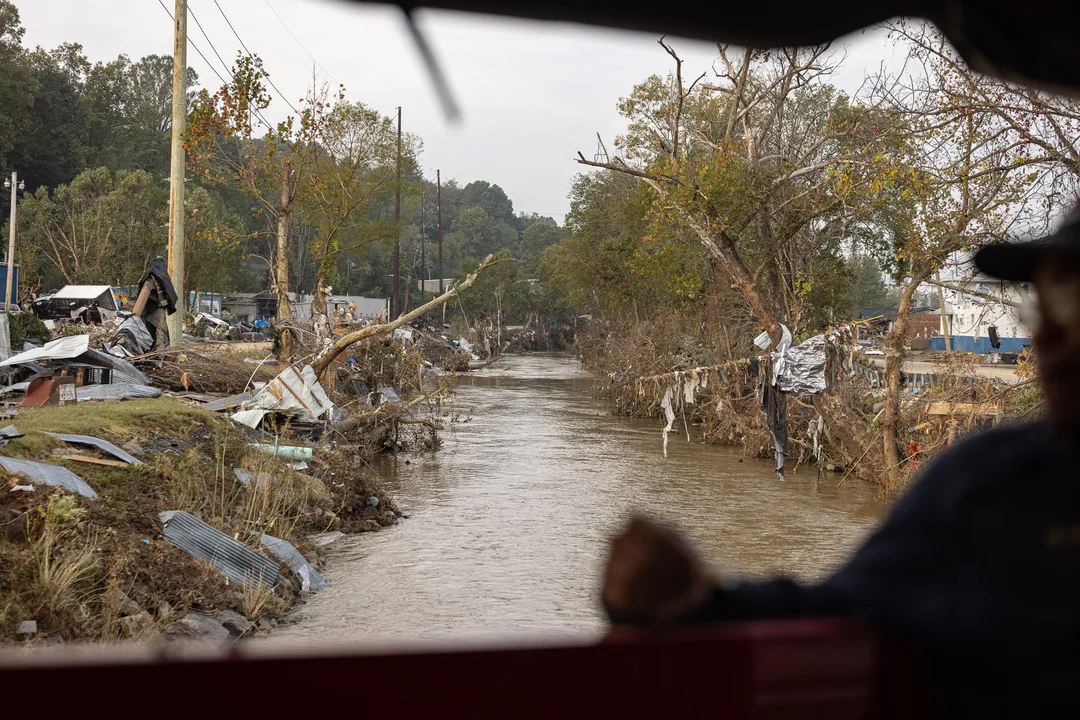
Seven days after the flood, I walked six and a half miles of the Swannanoa with Asheville Fire and task force teams from around the country, in an area still closed to the public. A week earlier, these firefighters were pulling people out of that same water. Now they were working it on foot, with a few chainsaws, fire rakes and whatever makeshift tools would do the job.
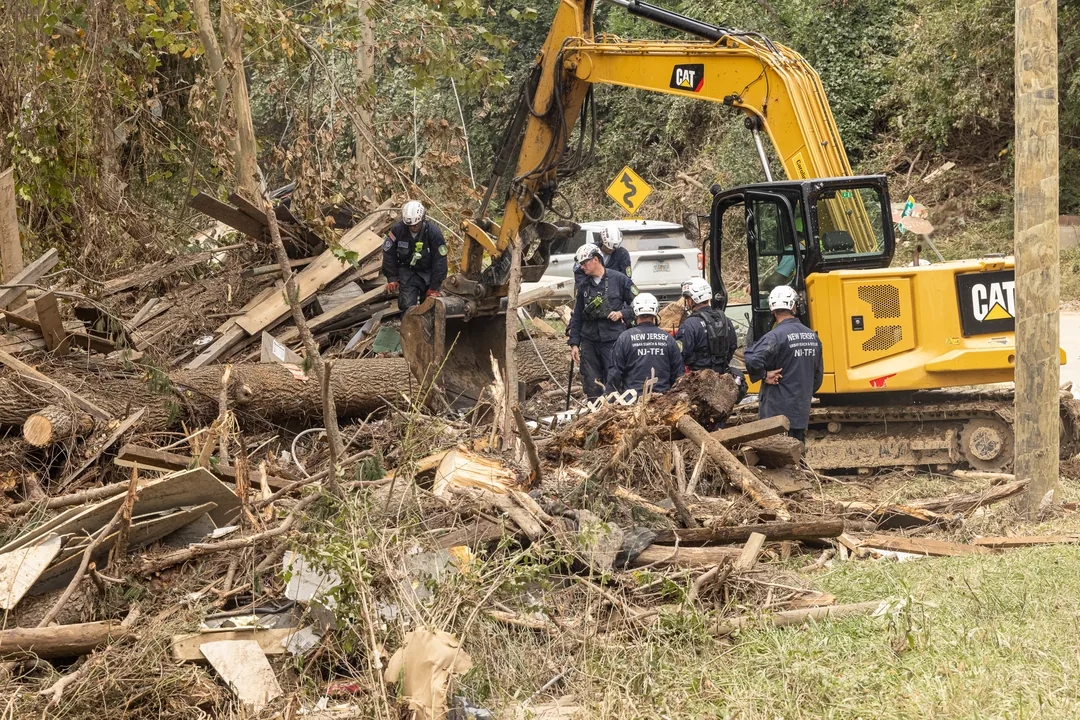
The search had a rhythm. Walk the line. Stop. Look around. Ask the person beside you if they notice the same thing. Then call the team over, dig through feet of mud that wasn’t there a week earlier, and cut into debris piles only Mother Nature could build, with a heavy equipment operator working alongside them when hands weren’t enough. Mark what needed a second look on the map, and move again.
My job was to stay out of the way and document it: the line, the work and the people doing it.
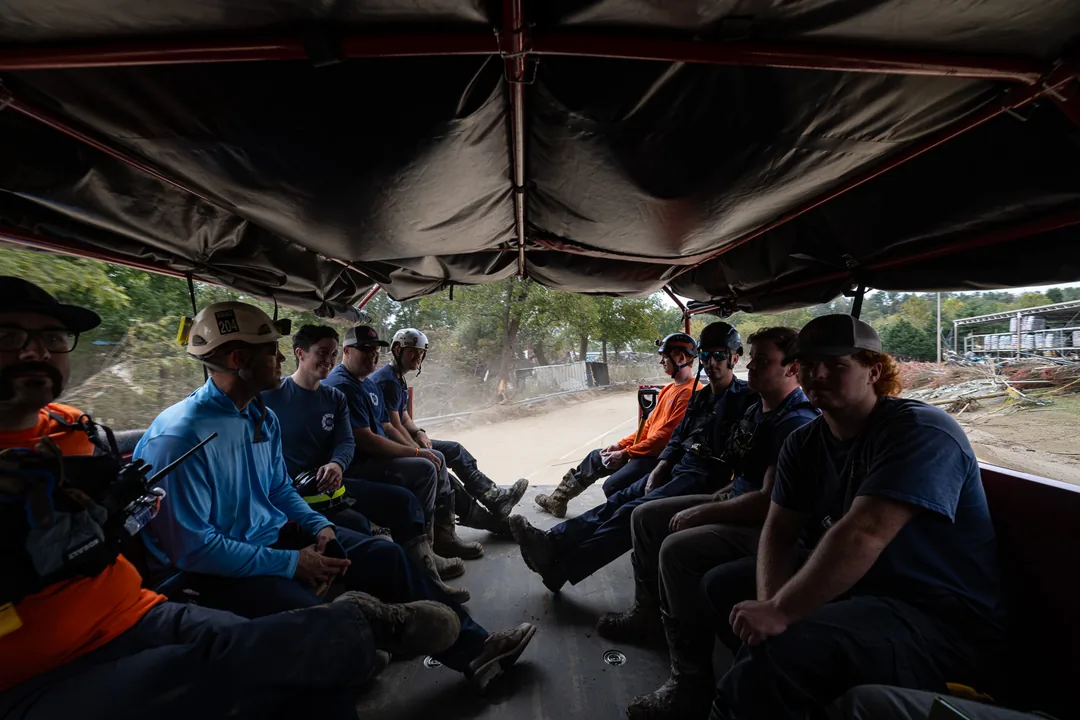
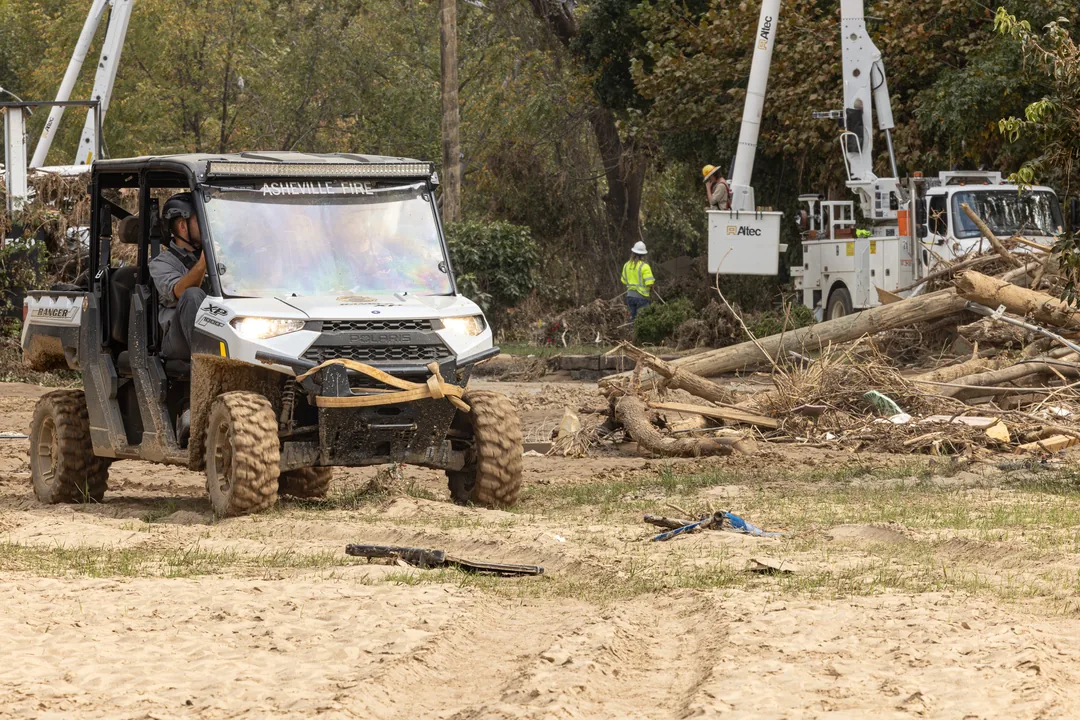
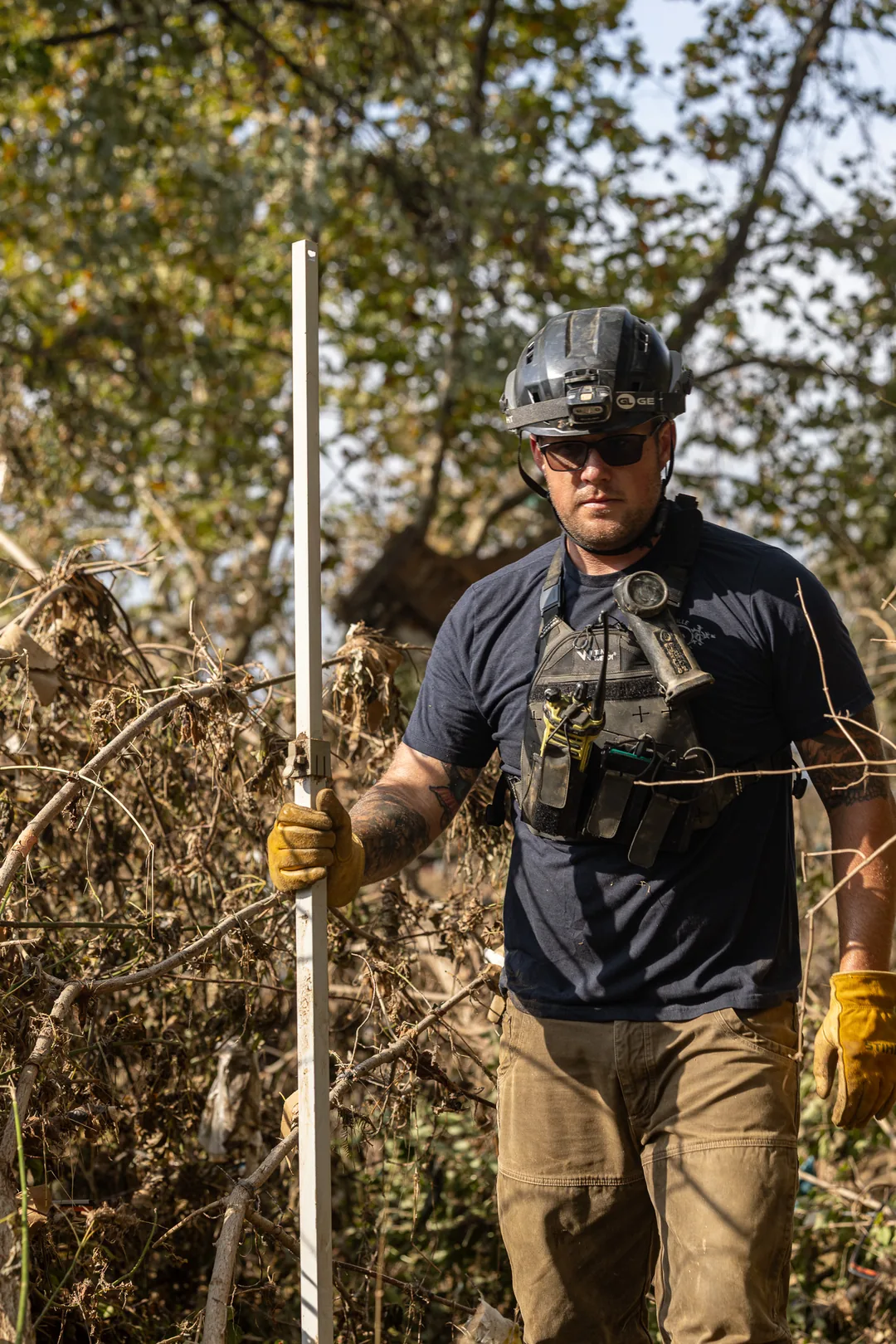
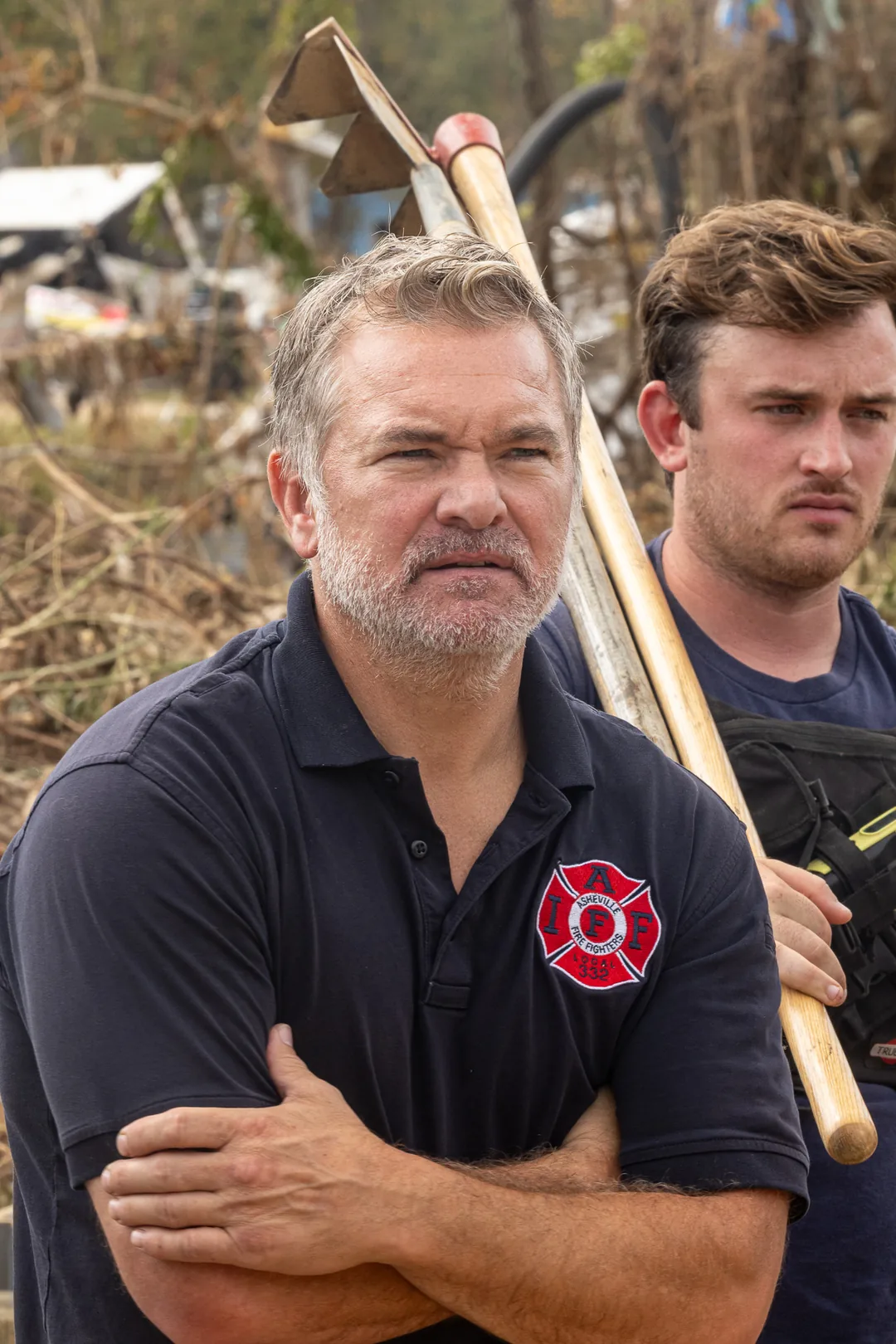
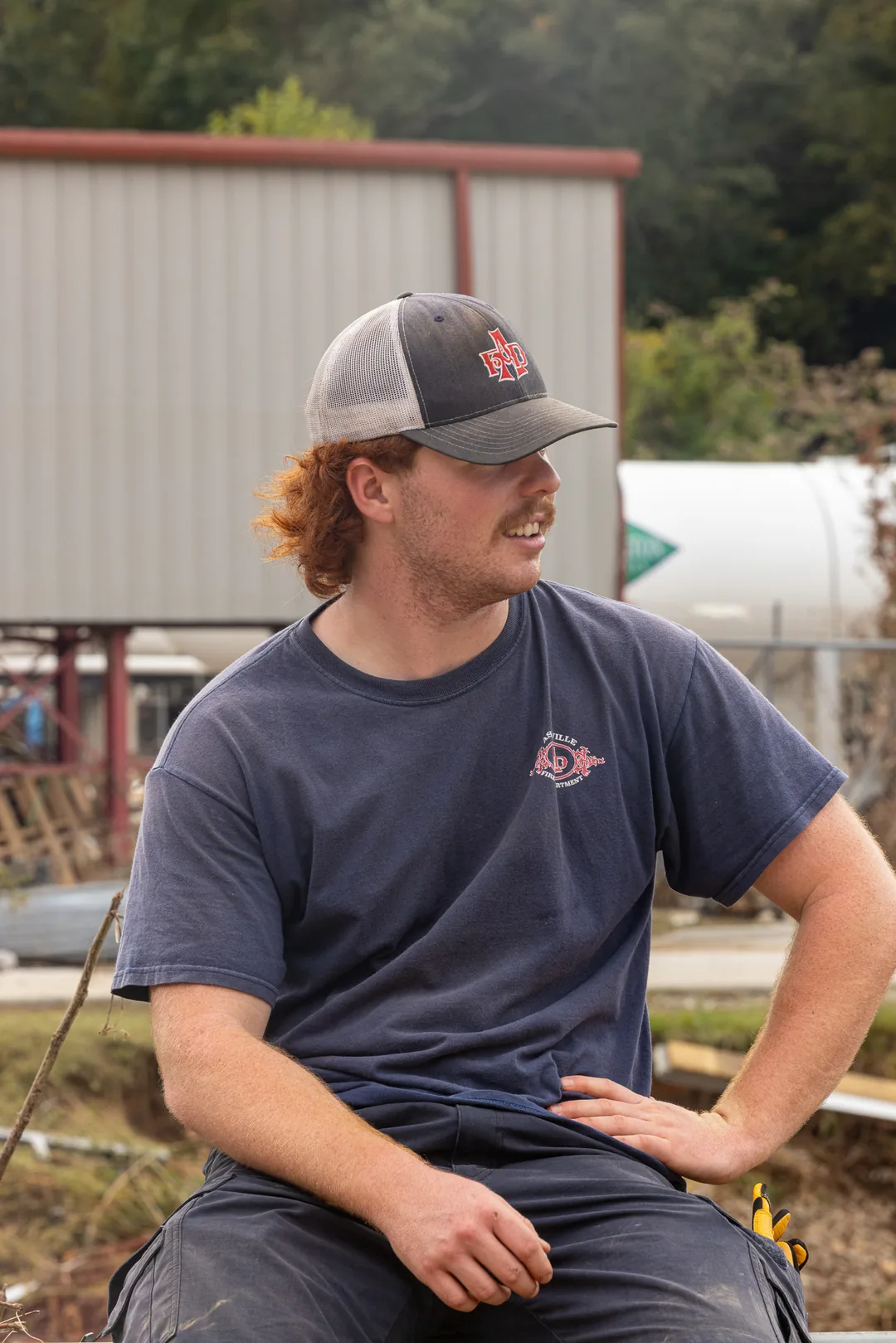
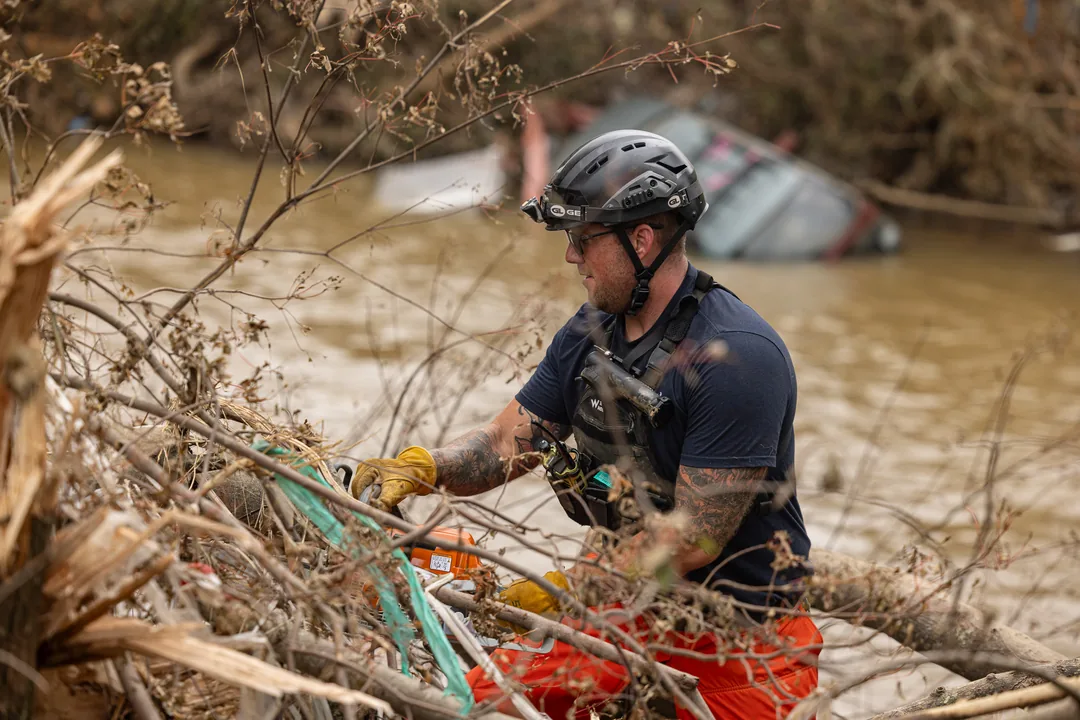
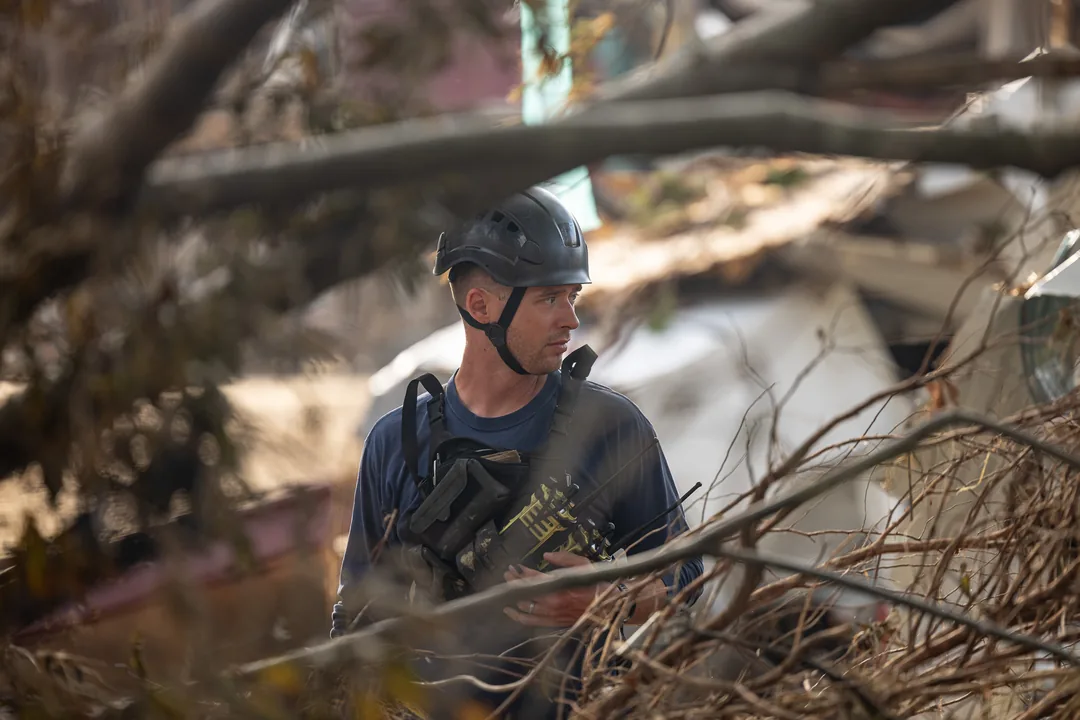
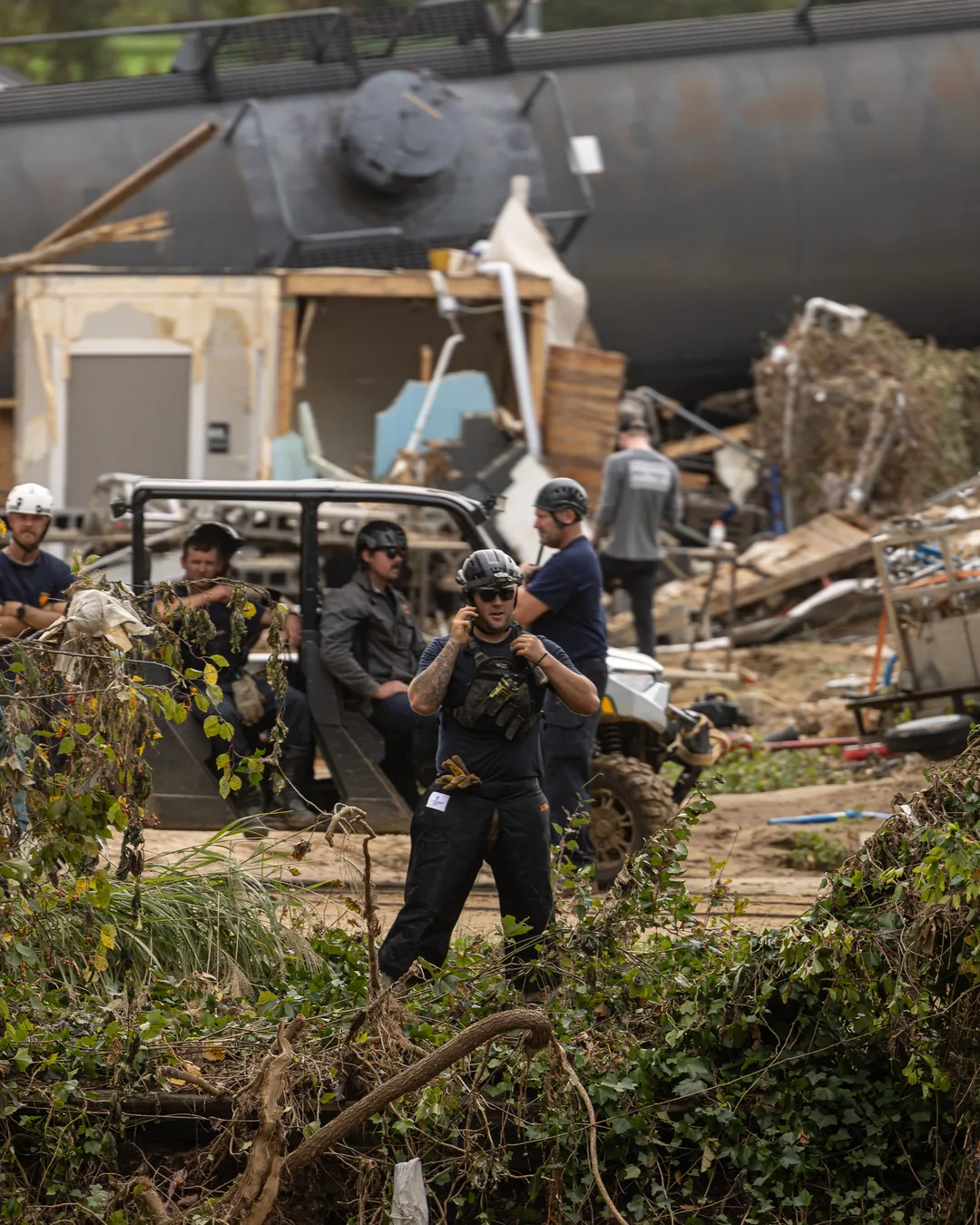
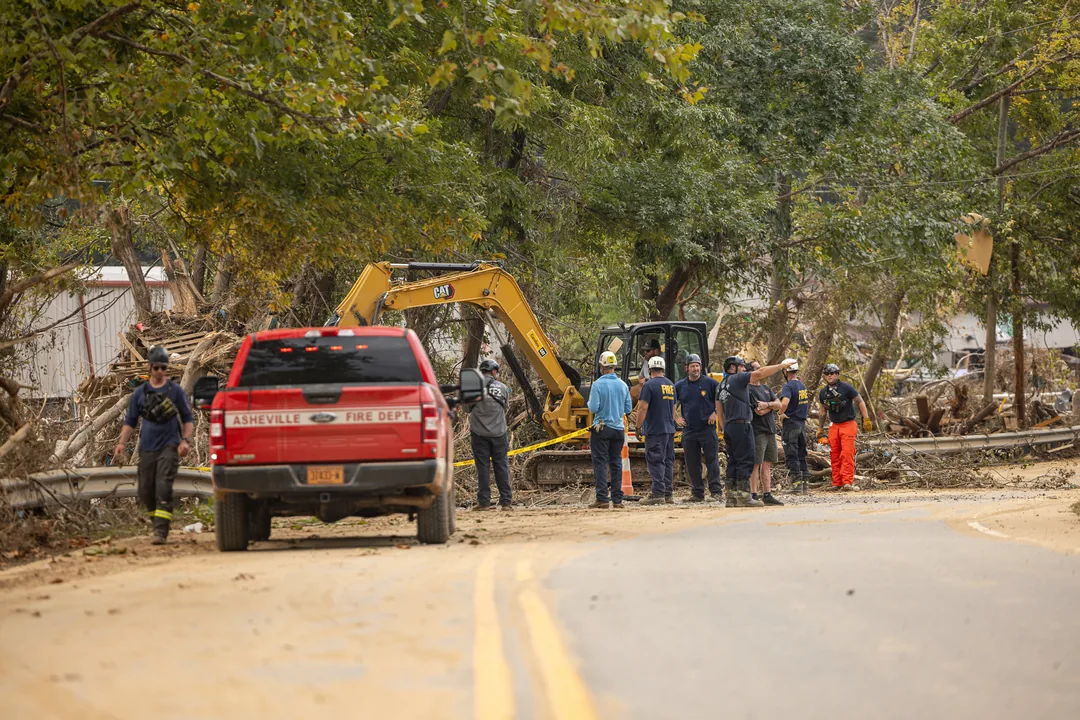
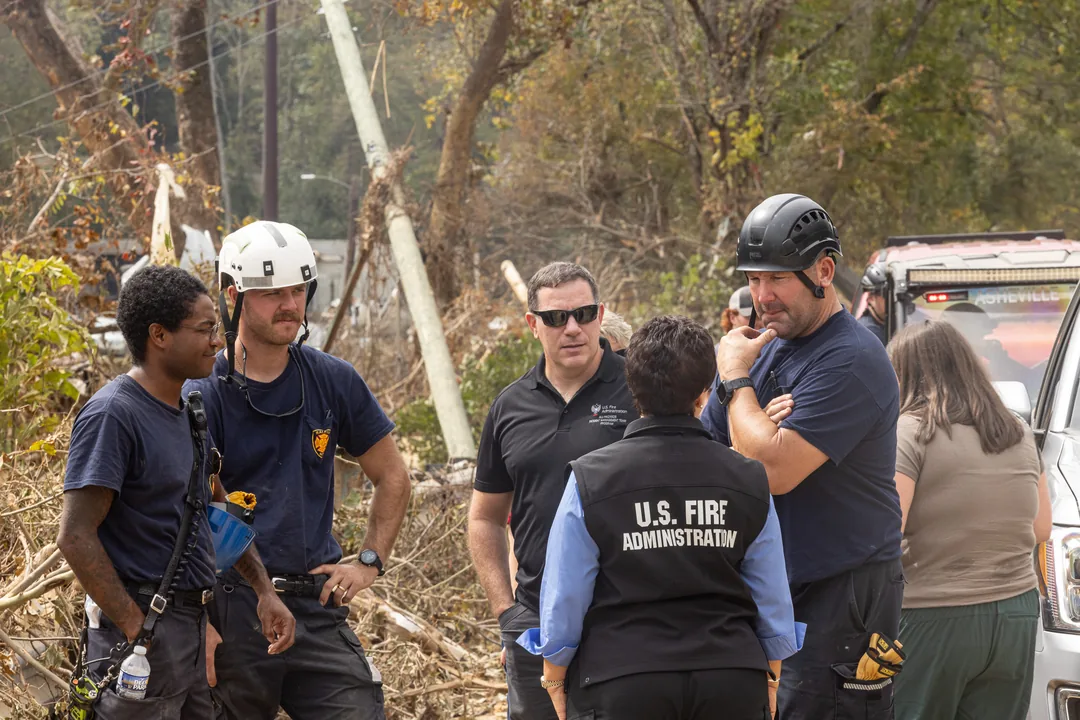
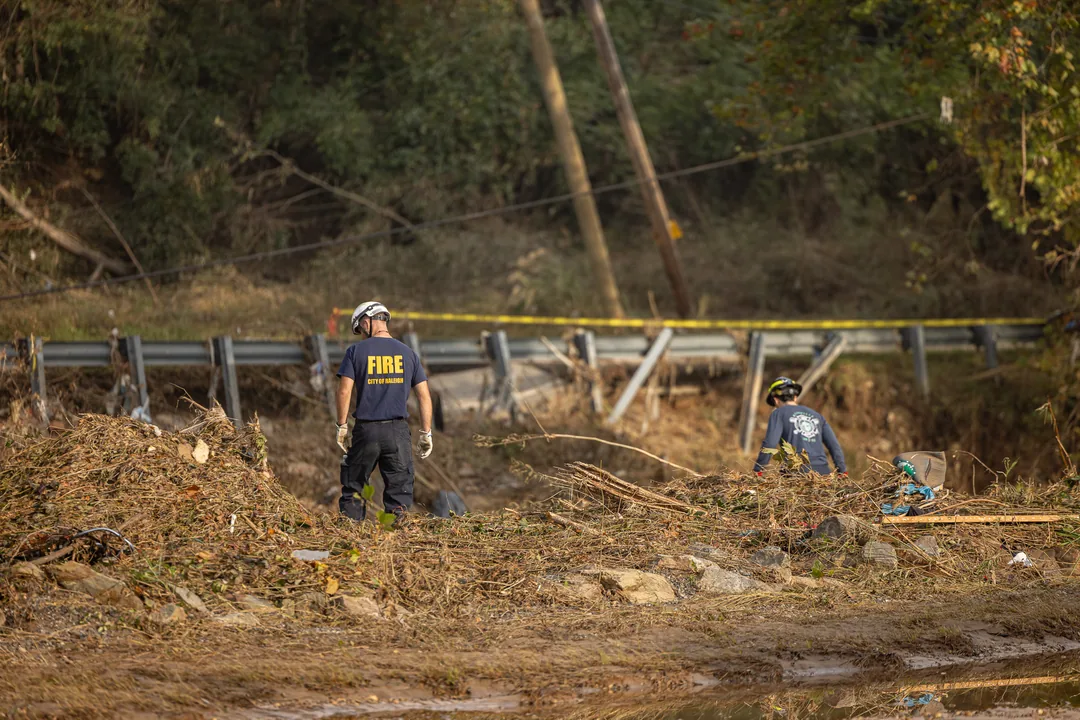
 Chance CravenFacebook and Instagram · October 5, 2024
Six and a half miles.
According to my Garmin watch, that’s how far these first responders walked up and down the Swannanoa River yesterday in an area not open to the public yet. With a few chainsaws, fire rakes, and makeshift tools, they spent the entire day on what they call a search-and-recover mission.
On the morning of September 27th, members of the Asheville Fire Department were busy rescuing people as waters quickly rose to historic levels. They saved many lives. But yesterday was different. With the help of other first responders from around the country, they were working together to recover the bodies of those they couldn’t save.
Seven days after rescuing so many people, they were navigating through a debris field that can not be described in words, waiting for a distinct smell to stop them in their tracks. Through my camera lens, I’d watch a team member suddenly stop and begin looking around. They’d ask the other one or two team members nearby if they smelled the same thing. After standing still for a few moments, making sure not to disturb anything around them or wait for a slight change of wind, if everyone smelled it, they’d call the rest of their team over to that location.
The teams would start working together to dig through feet of mud not there a week ago, trying to find what was covered up when the banks of the Swannanoa River crested and created a new landscape. Or, they would crank chainsaws and begin cutting twisted trees and, with the assistance of a heavy equipment operator, work their way to the bottom of a debris pile that only Mother Nature could create.
They found a package of hamburger meat at one location that had turned blacker than night and was crawling with maggots. After diligently working to the bottom of a pile at another location, they discovered a dead animal. At locations where the smell couldn’t be avoided, and despite all their hard work, nothing was found, they would mark the area on a map for cadaver dogs to come search.
Then it happened. One week to the date after Hurricane Helene made landfall and created so much chaos, a team recovered the body of an individual who died seven days ago. There was no crowd cheering them on, and no one began high-fiving and celebrating like the team had just won a championship. It’s a sad moment, but it is a win.
These first responders understand what they are doing is necessary for the friends and family of each person they recover to find closure. They know with each person they find, they are saving an innocent civilian from the emotional roller coaster of finding a dead body.
It’s hard work, physically and emotionally. But this is what first responders sign up for. This is why we honor them.
Thank you to the firefighters, law enforcement officers, medical teams, and first responders who have responded to Hurricane Helene. Thank you for your service, humility, and everything you do to improve our communities. You are appreciated.
The helicopter
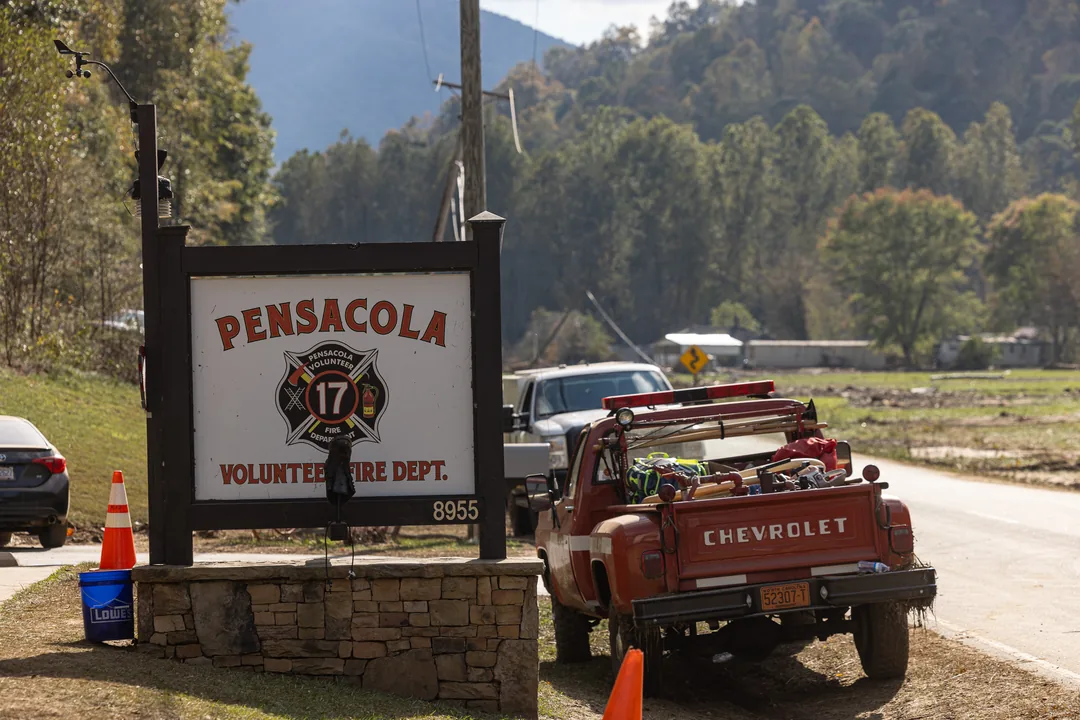
By October 6, a post was spreading that FEMA was seizing relief supplies at the Pensacola Fire Department, up in Yancey County, and blocking aid from getting in.
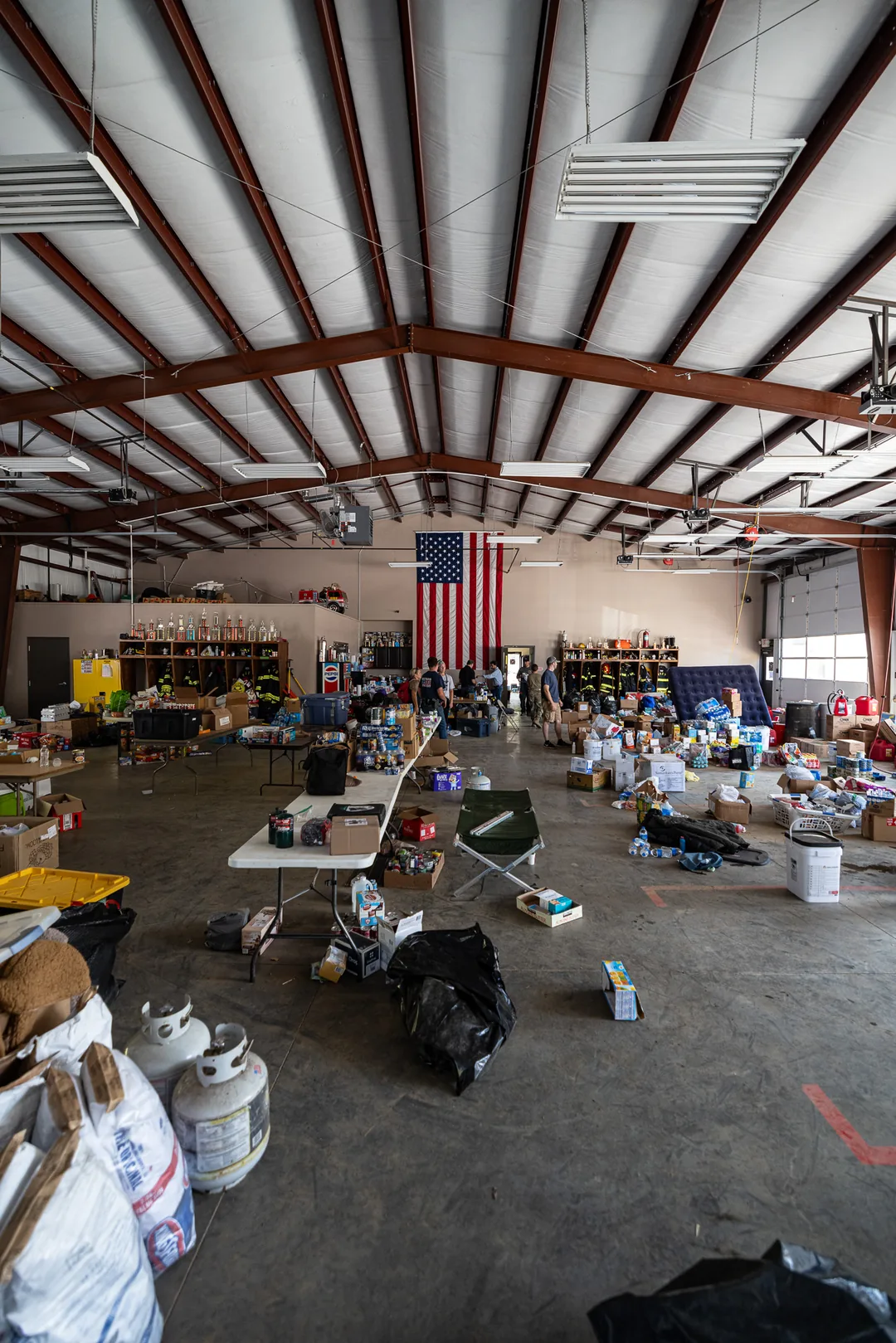
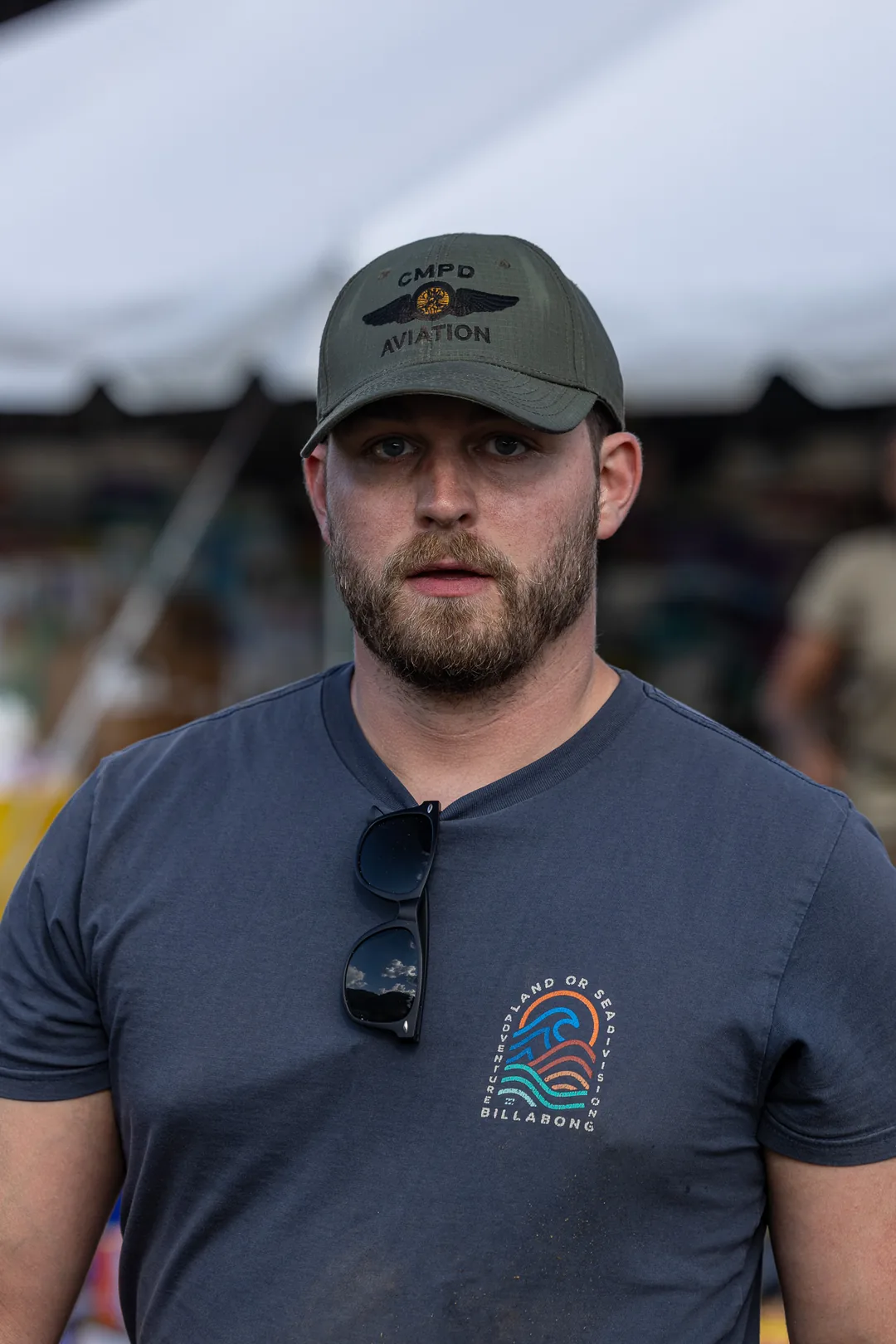
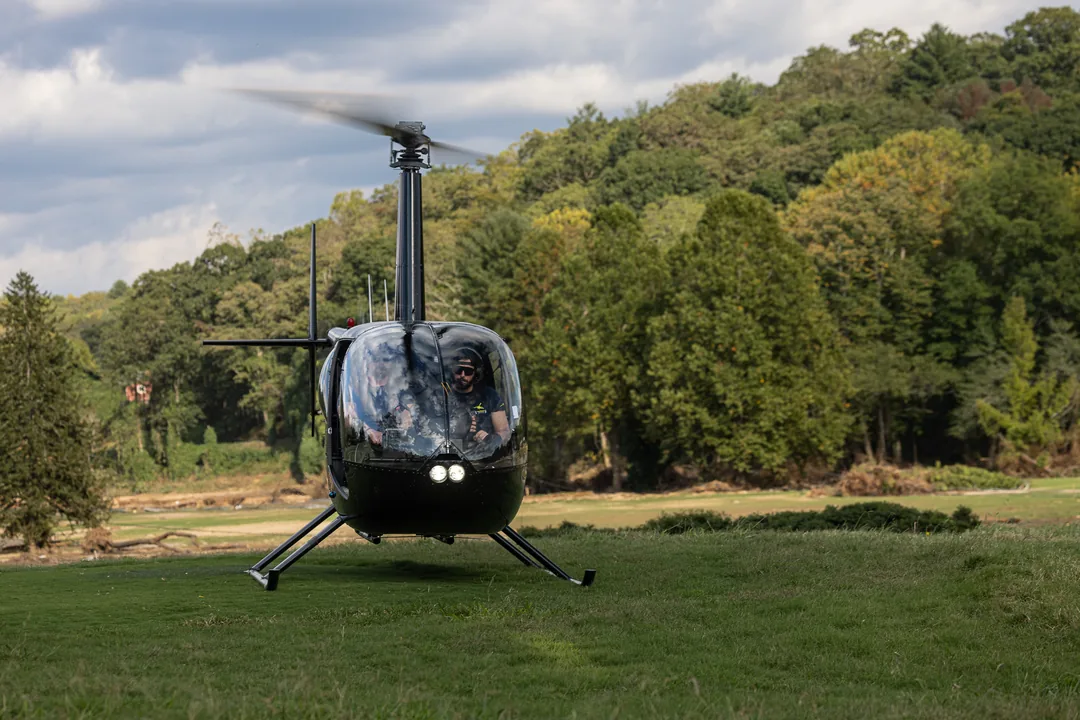
Kevin Knotts of Helivision and I wanted to verify it firsthand. Kevin set up the flight. Two pilots, Austin and Mike, landed on a golf course in Asheville, picked me up and flew us to Pensacola. We talked with the assistant fire chief and saw the station bays full of donated supplies, which they were moving to a central location for distribution. I posted what we saw that night.
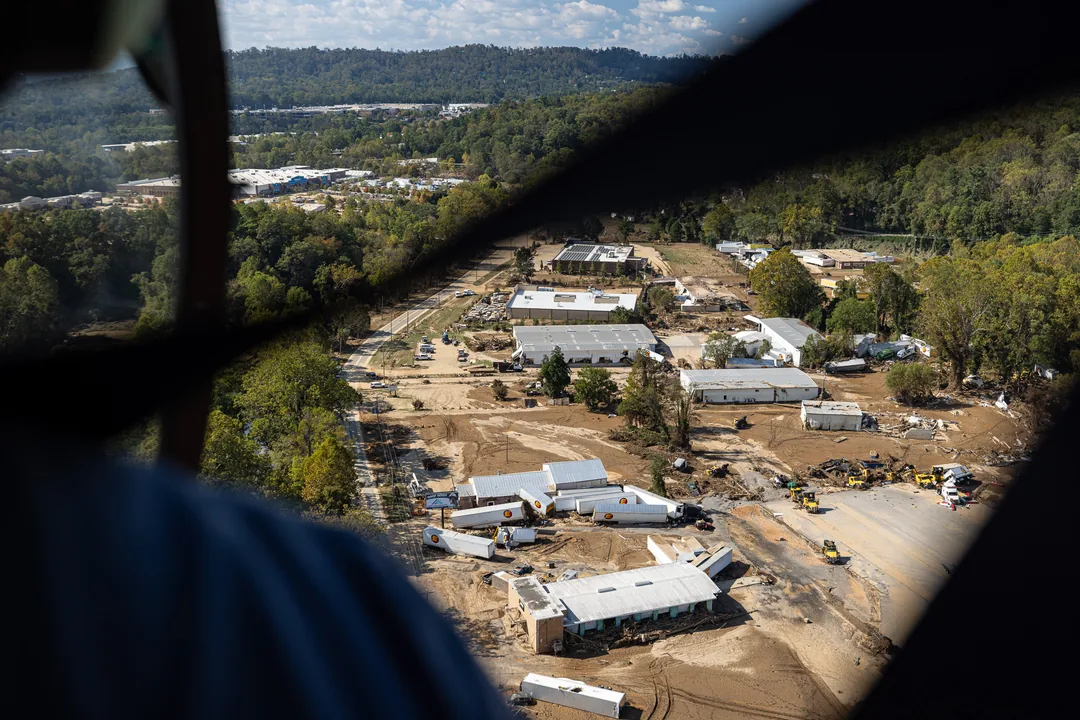
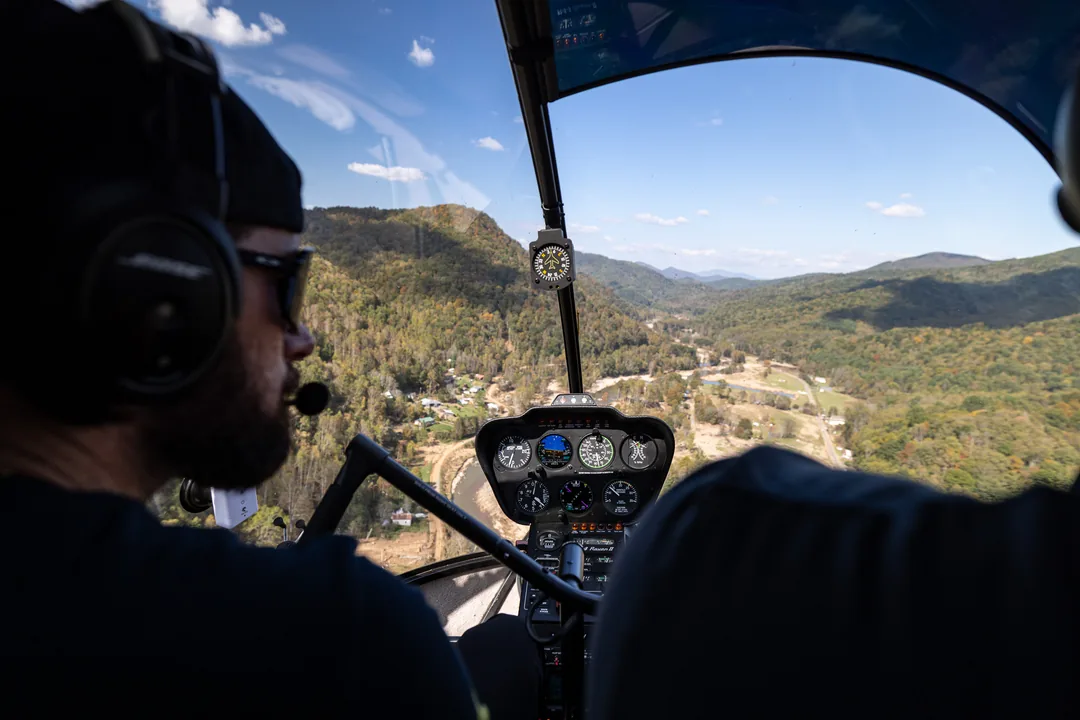
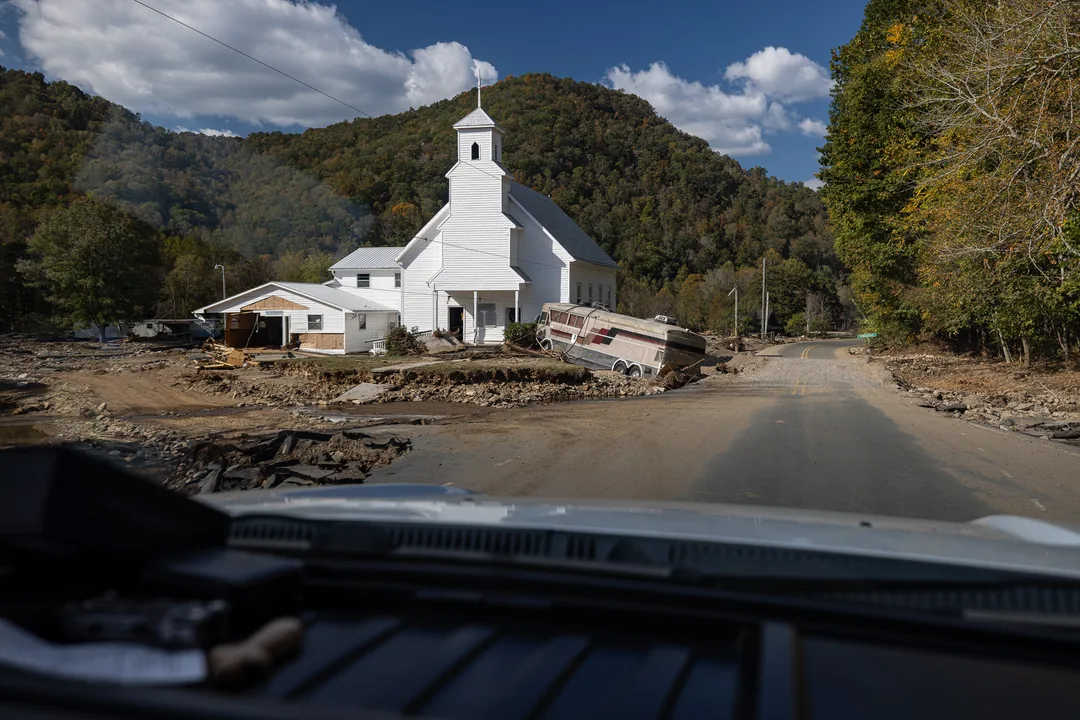
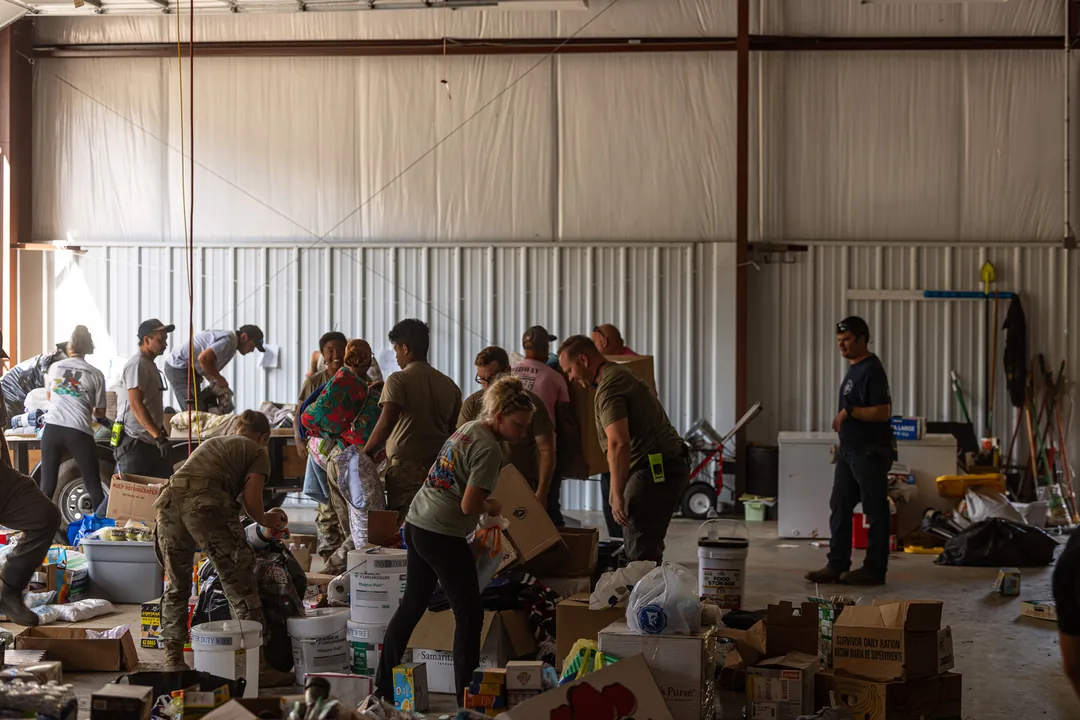
 Chance CravenFacebook and Instagram · October 6, 2024
How do you determine if the rumors about FEMA stealing disaster relief supplies, putting them behind fences with armed guards, and blocking any more relief from reaching our fellow Americans are true or false? You get on a helicopter. You fly to the area in question. You learn what’s really happening.
If the accusations are accurate, we have a responsibility to defend our fellow Americans and what is ours. But if it’s false, we are also responsible for sharing the truth and preventing others from being misled. That’s what this is about...
When Kevin Knotts and I saw a post claiming things were going sideways at the Pensacola Fire Department, we agreed to do whatever was necessary to discover the truth. Kevin coordinated the flight details. Austin and Mike landed on a golf course in Asheville and picked me up. We flew directly to Pensacola. And that’s when we learned what is really happening!!
We talked to the Assistant Fire Chief. His family has been in Pensacola for ten generations. He’s not letting anyone take what is theirs! He’s also not struggling. He said the bays of the firehouse look like Costco had exploded. So, they’re moving the supplies to a more central location that is better for distribution. It also allows them to begin operating as a fire department again, parking their apparatus in the bays and housing critical volunteer teams.
And if you want to know how to help Pensacola... Chief Boone said the best way to help right now is to stay off their roads! You may not like to hear that, but it’s the truth. They need all of us with good intentions to stay off the roads so they can begin repairing things.
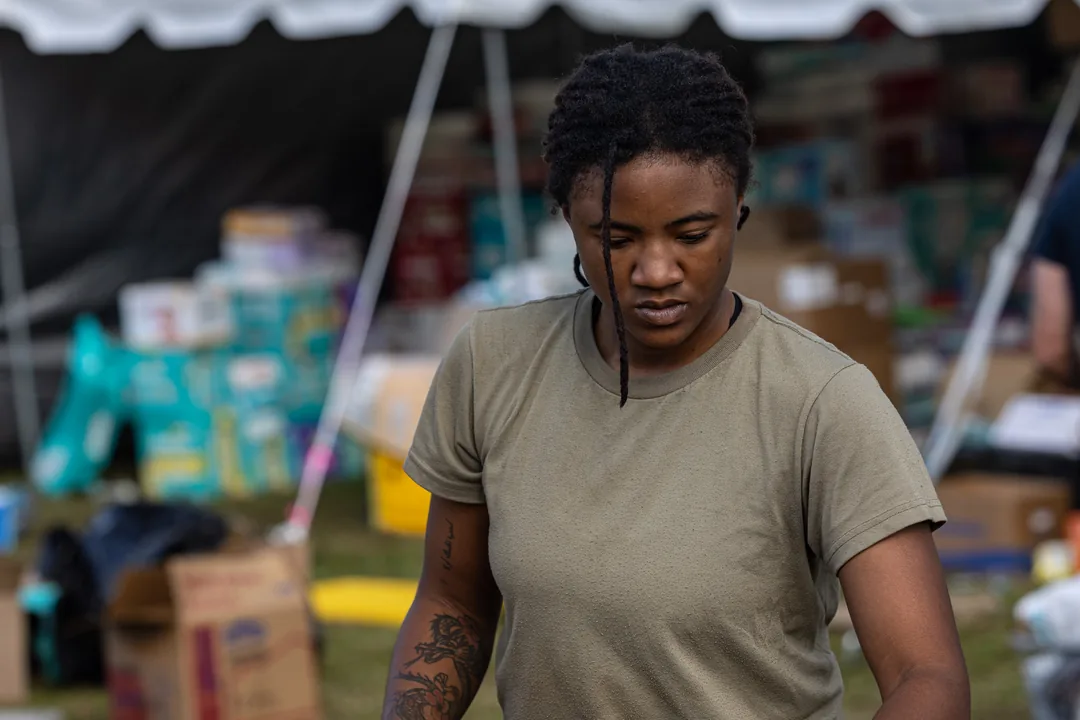
When we landed, we also met a few other people in addition to Chief Boone and the incredible firefighters he leads serving their community. The 25th Infantry Regiment from North Carolina was there helping organize and distribute supplies. Christian Hickey is there with his family, helping establish operations at the new distribution center. Locals rode four-wheelers into the mountains to check on their neighbors, identify their needs, and then deliver those items to them. And, FEMA was there!! FEMA is beginning to educate the public on how they can request financial assistance.
So all the rumors about the negative things happening in Pensacola, North Carolina... Those are lies. I’ve seen the truth with my own eyes.
In the words of the great Denzel Washington, it’s not what you know, it’s what you can prove. Prove me wrong.
Relationships. Responsibility. Truth.
My work in western North Carolina was possible because of relationships that existed long before Hurricane Helene.
Relationships.
Asheville Fire and I knew each other before the storm. When I asked how I could help, they told me, and I listened.
Responsibility.
Being there came with a responsibility: to document accurately what I saw, to respect the people I photographed and to share what I learned.
Truth.
When we heard a rumor, we went to see for ourselves and shared only what we witnessed.